


Become a Hertz Gold+ Rewards member


The dawn of the dream car: 1930s luxury cars
The 1930s were a key time in automotive design. Find out more about the golden age of 1930s luxury cars with Hertz.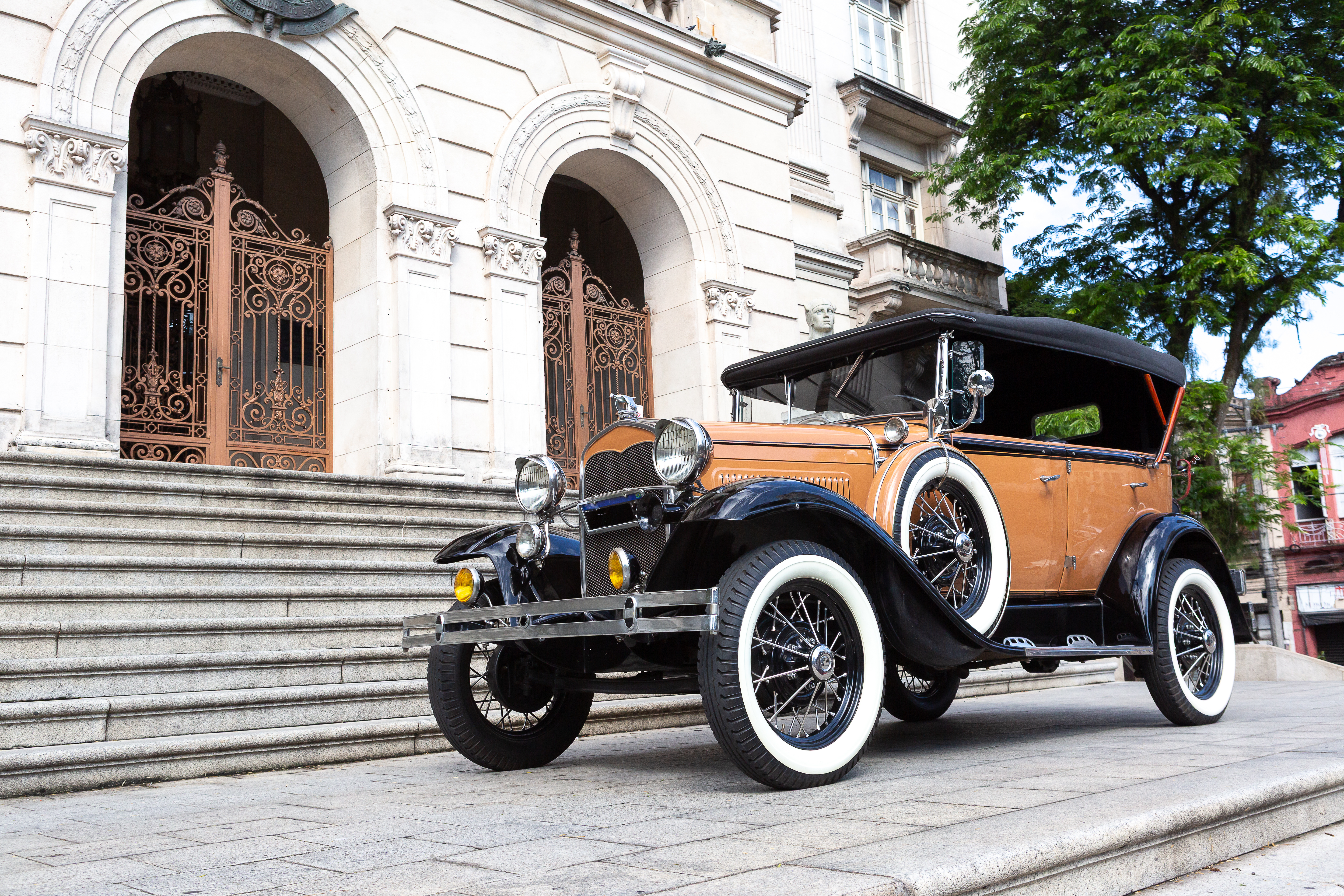
As the 1930s began, it would have been hard to imagine the decade's dramatic impact on the future of automotive design. In the throes of the Great Depression, Americans struggled to afford basic necessities, and owning transportation was often out of reach. But that didn't stop automobile manufacturers from creating some of the industry's most significant new designs and features during this time. In fact, 1930s automobile design marked a turning point for luxury and innovation in what was still an industry in its infancy.
Cars from the 1930s were principally manufactured by the ’big three’ auto manufacturers of today – Ford, General Motors and Chrysler – who truly came into their own in this decade. While each of these automotive giants had been producing cars for years, they began to introduce mechanical innovation in their 1930s car models. Much of this innovation can still be seen in cars on the road almost a century later.
The era ushered in new engines, including the ever-popular V8, the V12 and the V16, safer windshields and the all-important – yet previously overlooked – windshield wiper. Trunks were built into cars along with hydraulic brakes and transmissions that shifted smoothly, making both driving and riding even more enjoyable.
On this page
- Discover some of the most popular 1930s cars, from luxury models to family classics.
- Find out what made the 1930s such an important decade in automotive manufacturing, including new features and designs.
- Learn more about top 1930s car models, such as the Chrysler Airflow and the Duesenberg Model J.
Better by design
It wasn’t just technical and mechanical expertise that blossomed during the 1930s. Car designs also began to change and improve. Most of the cars produced in the United States at the beginning of the decade were squared with a basic utilitarian appeal. But designers began experimenting with a more rounded teardrop shape during the mid-1930s. By the end of the decade, the look of automobiles had evolved to smoother, sleeker and more aerodynamic designs.
Much of the credit for this new approach rests squarely on the shoulders of Harley J. Earl, an innovative car stylist who became the first designer to truly emphasize form as well as function. His designs changed the approach to auto design and led his employer, General Motors, to create a design studio for just that purpose. ‘The Styling Section’, as Earl’s studio was known, spawned the first cars to tie a specific model identity to each year of production, while maintaining just enough continuity to keep things familiar.
With more emphasis on the body styles of cars, the industry went through some dramatic changes. Some of the earliest cars produced in this decade rapidly became beloved classics, with 1930s classic cars as memorable and sought after today as they were then. These included the 1930 Cadillac, the ultimate in sophisticated motoring, and the iconic 1932 Ford Coupe, the inspiration for the Beach Boys’ album Little Deuce Coupe.
Earl's 1936 Chevrolet Coupe, with its rounded roofline and fenders, waterfall grille and running boards, sparked a surge in sales that allowed Chevy to replace Ford as the leading domestic automaker. However, Ford's 1936 Coupe also found a place in the hearts of American drivers, and both companies continued to modernize their look each year as the decade continued.
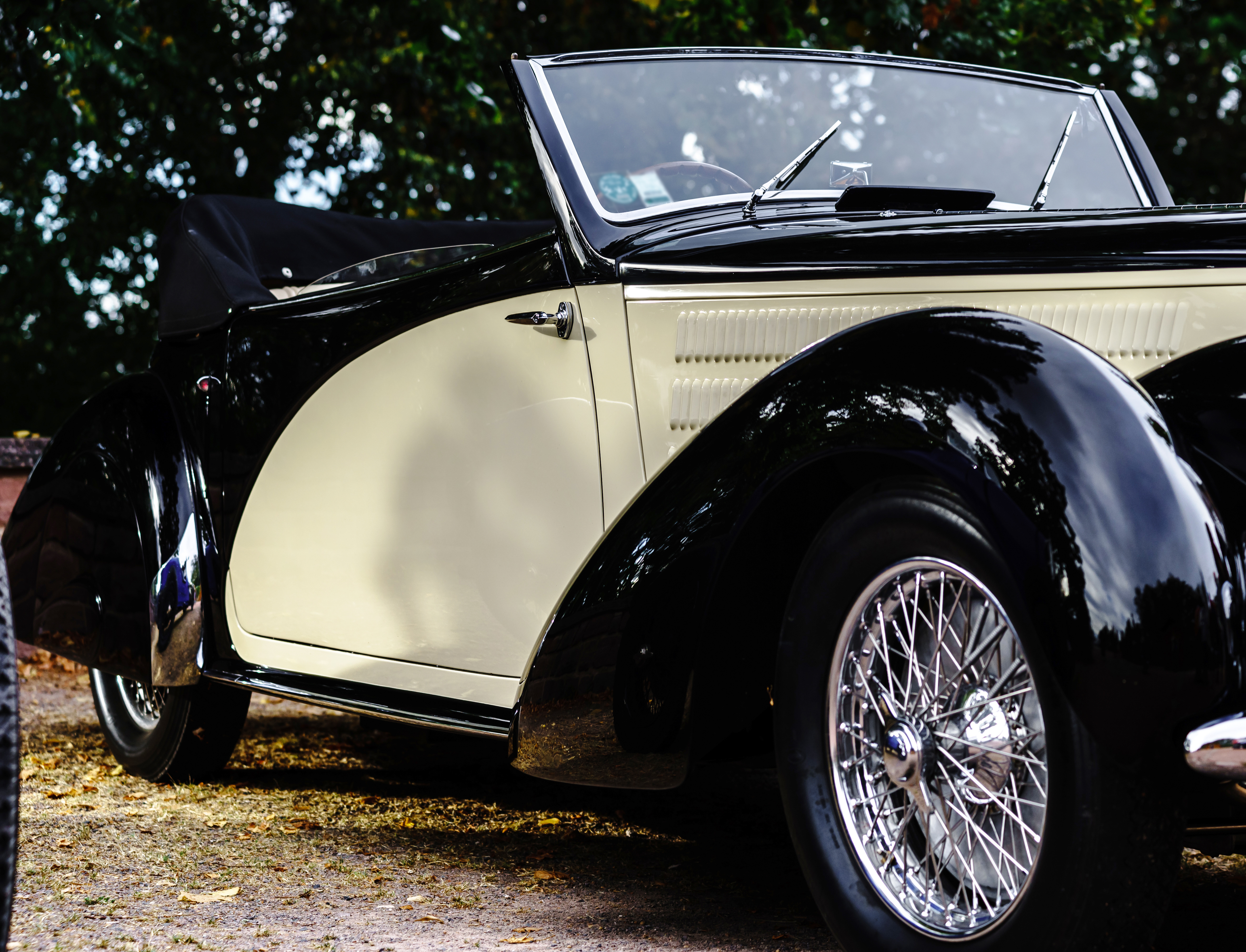
Duesenberg Model J
The Duesenberg Model J was one of the most prestigious American luxury cars of the 1930s. Built by Duesenberg in Indianapolis, Indiana, it was introduced in 1928 and remained in production until 1937. The car was created to compete with the finest and most powerful luxury automobiles in the world. Its 420-cubic-inch straight-eight engine produced an impressive 265 horsepower, allowing the Model J to reach around 116 mph. Its engineering was particularly advanced for the period, with dual overhead camshafts and four valves per cylinder.
Model Js were also highly individual, as customers could choose custom-built bodies from specialist coachbuilders. Despite its extraordinary performance and splendor, production was limited, partly because the Great Depression reduced demand. Today, the Model J is remembered as an outstanding symbol of 1930s American automotive craftsmanship and ambition.
Chrysler Airflow
The Chrysler Airflow was a groundbreaking American car introduced in 1934 and produced until 1937. Made by the Chrysler Corporation, it was one of the first cars designed with aerodynamics as an important part of its shape. Instead of the upright, boxy styling common in the early 1930s cars, the Airflow had a smooth, rounded body, integrated headlamps and a distinctive waterfall grille. Its innovative design also included strong but lightweight construction, an engine positioned further forward and improved interior space.
The Airflow was technologically advanced for its time, but its unusual appearance and high price made it difficult to sell during the Great Depression. Although it was not a commercial success, the Airflow was important because it helped introduce aerodynamic thinking into mainstream car design and influenced the shape of cars that followed.
Classic 1930s cars remain extremely popular with many collectors. Do you have a favorite car model from the 30s? Let us know by giving us a shout on Facebook.
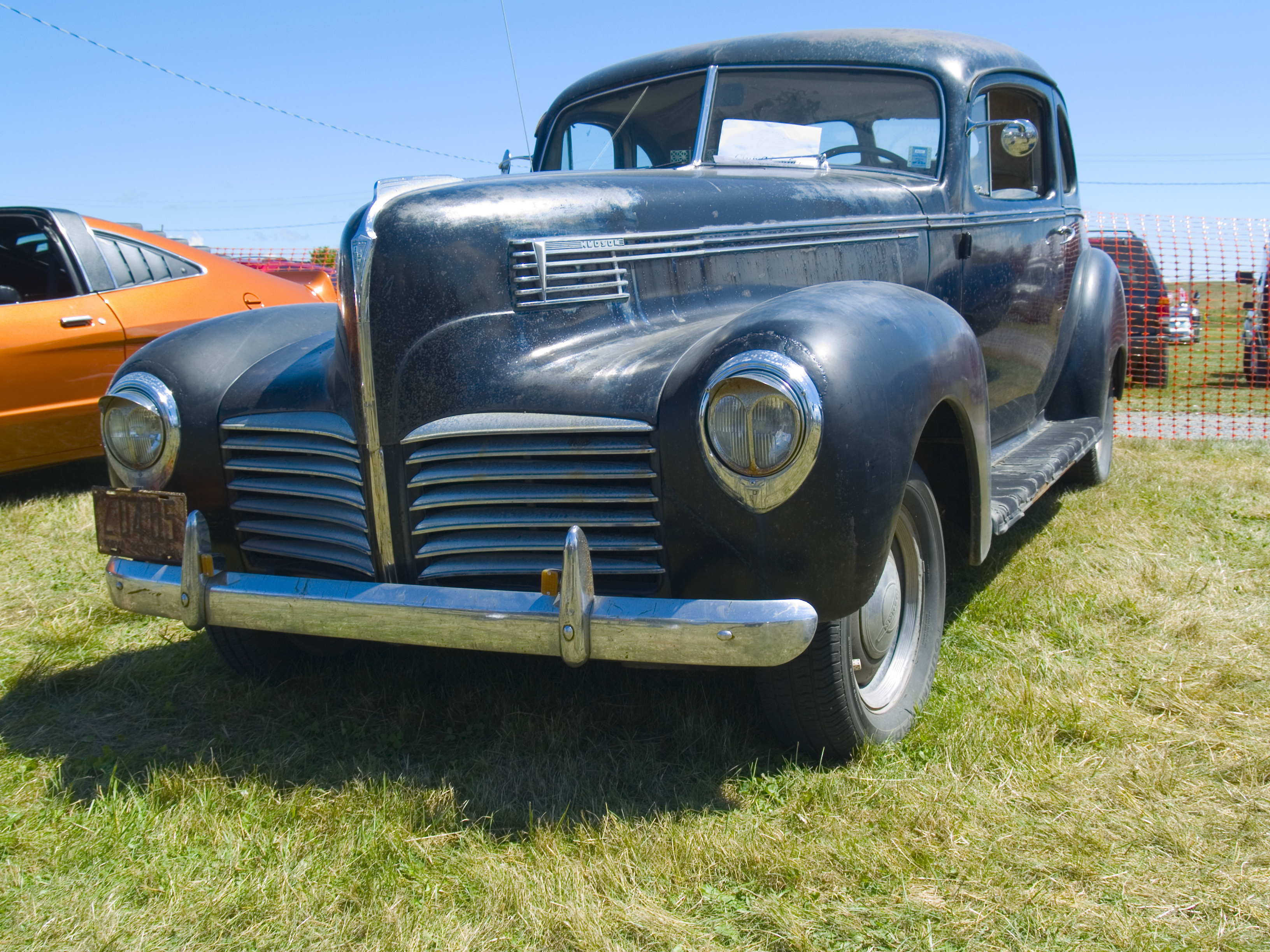
FAQs about 1930s cars
What car was popular in the 1930s?
Several cars were popular during the 1930s, including the Ford Model A, Chevrolet Master and Plymouth models. The Ford Model A remained particularly well known after its introduction in 1927, while manufacturers increasingly offered affordable cars with improved styling, comfort and performance.
What was the most luxurious car in the 1930s?
The Duesenberg Model J is widely regarded as one of the most luxurious American cars from the 1930s. Introduced in 1928, it combined powerful performance, advanced engineering and individually commissioned custom bodies. It was aimed at wealthy customers who wanted exceptional craftsmanship, exclusivity and prestige.
What was the most expensive car in the 1930s?
The Duesenberg Model J was among the most expensive cars available during the 1930s. Its high price reflected its powerful engine, advanced engineering and custom-built bodywork. Depending on the coachwork and specification, a Model J could cost many times more than an ordinary family car.
What are some vintage cars from the 1930s to 1940s?
Notable vintage cars from the 1930s and 1940s include the Duesenberg Model J, Chrysler Airflow, Bugatti Type 57, Cord 810, Packard Twelve, Jaguar SS 100 and Cadillac V-16. These cars demonstrate the period's wide variety of luxury, sporting, innovative and mass-market automotive designs.


