


Become a Hertz Gold+ Rewards member


07/30/2023 • 5 min
Guide to Electric Vehicles in Colorado
Learn about laws, grants and the electric car rebate in Colorado. Go green with an electric vehicle rental and travel worry-free with Hertz.
With its rocky plains and natural scenery, Colorado offers a peaceful retreat for every traveler. From Pike Peaks to Rocky Mountain National Park, you’re guaranteed the road trip of a lifetime. And you can experience these breathtaking landscapes the green way with an electric vehicle (EV).
Find out everything you need to know about driving an EV in the Centennial State. From electric car incentives to EV charging stations, there’s plenty to uncover when you choose an electric vehicle for your Colorado adventure.
Jump to a section:
How Many EVs Are There in Colorado?
Colorado continues to build momentum on its 2018 and 2020 EV Plans to get 940,000 EVs on the road by 2030. The 2023 EV Plan – the third leg of that plan following on from those previously mentioned - includes programs and policies related to light-, medium- and heavy-duty vehicles to reduce air pollution emissions in the state.
Here are some facts about EV adoption in Colorado:
- Electric car ownership in Colorado continues to accelerate, with around 72,800 registered EVs in January 2023, up from approximately 66,500 in October 2022.
- Of the total EV cars registered in the state, 71.4% were battery electric vehicles (BEV) and 28.6% were plug-in hybrid electric vehicles (PHEV).
- Electric vehicles make up around 7.86% of all vehicles on the road in Colorado.
- The top-selling electric vehicles were Tesla, Nissan, Chevrolet, Jeep, BMW and Ford.
- Colorado was the first state to adopt a Zero Emission Vehicles (ZEV) law. As of January 2022, car manufacturers must make a minimum percentage of ZEVs available for sale.
Are There Incentives for Electric Cars in Colorado?
Yes, there are various electric car rebate laws in Colorado that could grant you financial support. If you’re considering driving an electric vehicle in the state, it’s worth knowing which incentives you could benefit from. These include:
- Electric Vehicle (EV) Tax Credit: You are eligible for electric car tax credit in Colorado if you lease or purchase a light-duty EV before January 1, 2026.
- Fleet Alternative Fuel Vehicle (AFV) and Technology Grants: Grants
are offered to business and government fleets to purchase new AFVs or operate on alternative fuels. - Electric Vehicle (EV) Charging Station Grants: The Colorado
Energy Office (CEO) is providing grant funding for community-based Level 2 and DC fast-charging electric car stations in Colorado. - Low Emission Vehicle (LEV) Sales Tax Exemption: Vehicles that
are used for converting an EV power source to produce low emissions are exempt from state sales and use tax.
EV registration, licensing, and fees in Colorado
On July 1, 2022, Colorado issued license plates for plug-in hybrid and battery electric vehicles to make EVs easier to identify. EV owners with a different license plate are legally required to place an EV decal on the inside upper right-hand corner of the front windshield.
Electric vehicle owners must pay an annual fee of $50, beginning with registrations in the 2022-2023 fiscal year. The specific electric car ownership
taxes in Coloradoare typically based on the year the vehicle was manufactured.
As EVs don’t produce tailpipe emissions, electric vehicle drivers are exempt from paying road tax.
Colorado EV Charging Network
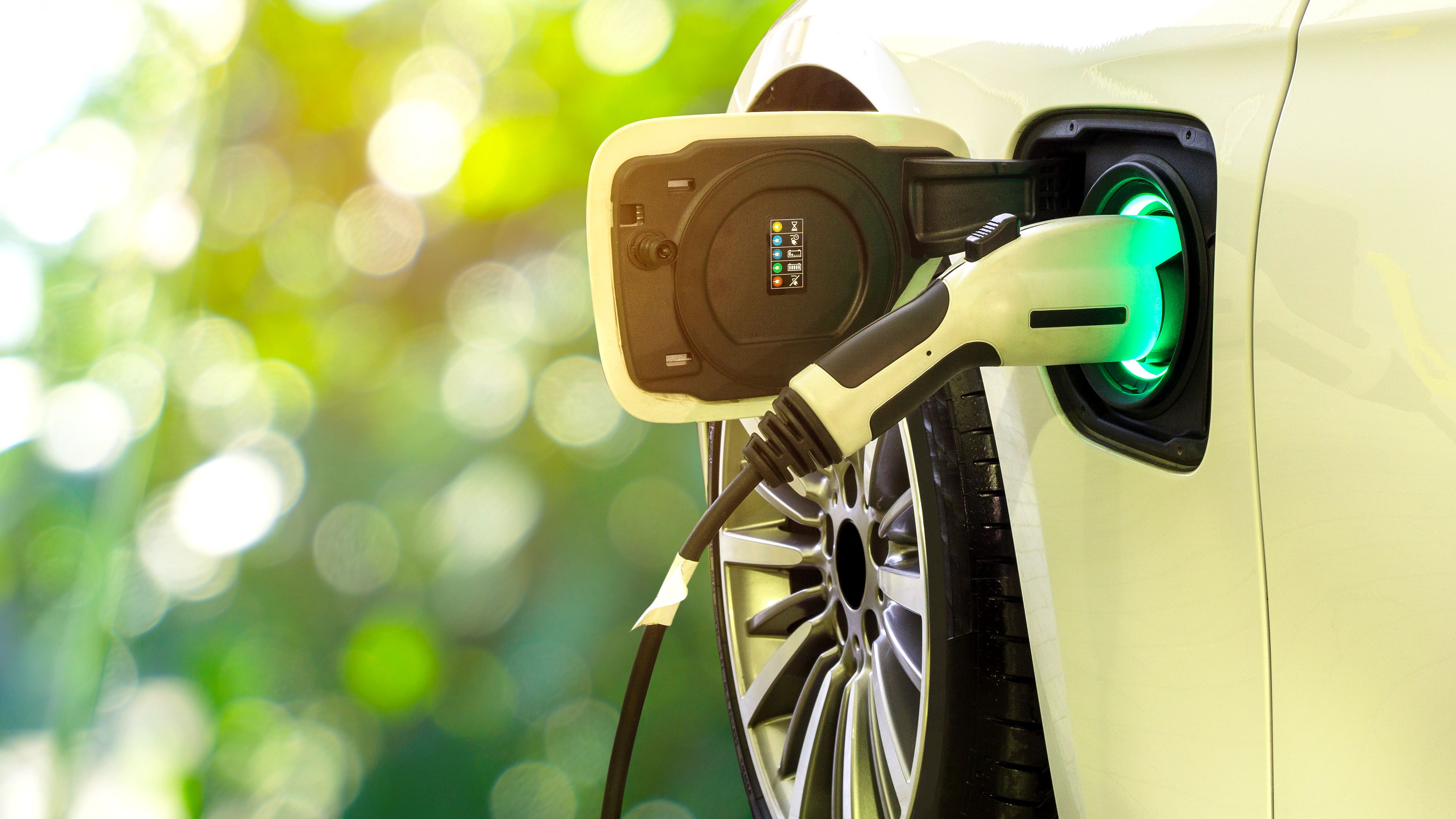
There are currently around 4,600 total public electric car charging stations in Colorado, up 284 ports from October 2022. Of this total, around 3,800 are Level 2 chargers, and 755 are Level 3/DC fast chargers. Some 1,500 of these are public chargers.
It costs an average of $0.13 per kWh to charge your EV at home, which can help you to save up to 75% compared to the price of gasoline. When charging on the go, you can expect to pay around $0.45 per kWh, depending on which port you use.
ChargePoint provides the majority of Level 2 ports (2,138), while Tesla Supercharger owns the most DC fast charger ports (316). Other charging networks across the state include Electrify America, EVgo Network, PlugStar and more.
Overall, charging ports are up 6.7% in Q1 2023 compared to the previous quarter, with plans to install high-speed charging stations in 34 locations across the state.
If you’re thinking about driving an electric vehicle, then look no further than Colorado. The Centennial state is incredibly EV-friendly, with various incentives and plans that can help lower costs for EV drivers. Find out more about electric vehicles on our Hertz blog.
Related Articles
Do I Need to Return an EV Rental With a Full Charge?
Hertz offers three great options options to recharge your rental EV. Read about them below.
Best restaurants in Denver
Wondering where to grab a bite in Denver? Check out our round up of the best restaurants in the city to fill up after a long day of sightseeing.

Best hotels in Denver
Discover the best hotels in Denver with Hertz. We’ve found the best downtown spots and unique hotels to help you find the perfect place to stay.


