
Anatomy of a Pit Crew
The World Endurance Championship (WEC) generates an unmatched excitement and buzz within the motorsport community. It’s usually the drivers who get all the attention. But, what about the team behind them? The technical crew working diligently in the background is critical to the success of the wider team.
The team of experts behind Hertz Team JOTA are responsible for keeping drivers Antonio Felix da Costa, David Beckmann, Will Stevens, and Yifei Ye in the running for the win.
Let’s take a closer look at each of their roles on race day!
What is a Pit Crew?
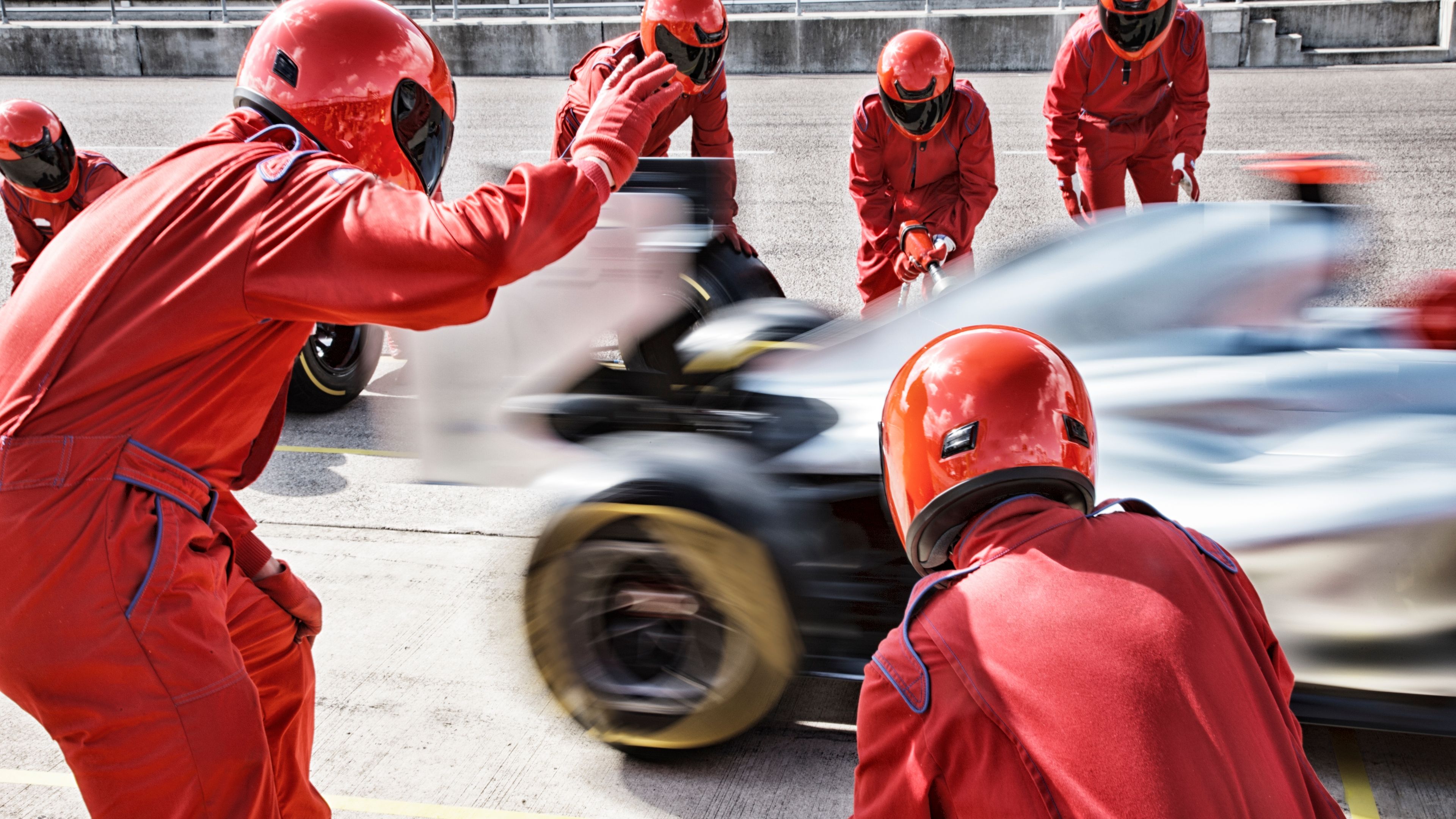
The main purpose of a pit crew is to ensure efficient pit stops and maintain the car's performance during the race. This is a lot easier said than done. It’s not just a case of changing a few tires every couple of laps. It’s a constant process to ensure the car performs its very best throughout the race.
It’s a high-pressure environment that requires the coordination and synergy of all team members working together. There needs to be a high level of precision, quick decision-making and clear communication between the pit crew, the strategy team, and the drivers.
Each member contributes to the overall success of the team - like an orchestra that comes together to produce the finest symphony.
The Car Controller
A car controller's primary responsibility is to ensure seamless pit stop operations, maximizing efficiency and minimizing time loss.
With every second counting, their role entails meticulous coordination of tasks, knowing which driver is entering the pit, understanding the required actions, organizing the setup, comprehending the reasons behind each task, and executing them precisely.
Maintaining a composed and collected demeanor is crucial, as a car controller must exhibit adaptability, swiftly making crucial decisions to keep the team on track.
The Refueler
A refueler’s role is to refill the cars with fuel. Precision, speed and coordination with the car controller is paramount. Fuel is flammable, so there’s a certain amount of risk involved too.
Each team has its own standards and calculations for working out the fuel strategy. However, the simple way of looking at it is as follows:
- Fuel = Distance / Consumption (mpg)
In other words, work out how much distance needs covering, then divide this by the car’s fuel capacity.
The Fire Extinguisher Attendant
A fire extinguisher attendant maintains pit area fire safety. They diligently monitor fire hazards, remaining vigilant and prepared to swiftly extinguish any potential fires that may come from their tools or the car.
They must also ensure all fire safety measures are meticulously in place, effectively preventing any untoward incidents. With their presence, the fire extinguisher attendant plays a vital role in safeguarding the well-being of all team members.
The Cut-off Valve Attendant
The cut-off valve attendant is responsible for shutting off the engine during pit stops. This brings about a great responsibility in terms of health and safety, as one wrong move could cause the engine to blow.
It’s also important to shut the engine down efficiently because any delays can add to the time spent in the pit. The collaboration between the other team members is key and there must be clear communication with the fuel mechanics.
The Cockpit Helper
The cockpit helper provides essential assistance to the driver during pit stops. These can include such things as removing the steering wheel and helping the car to exit quickly. They are responsible for making sure the driver is comfortable, wiping their helmets and giving them water for example. This is essential in endurance races like Le Mans where drivers will be racing for long periods.
The Mechanics
The mechanics are responsible for maintaining and repairing the car. Some of their tasks include conducting inspections, performing repairs, and collaborating with the technicians. The role requires a high level of competency as they need to be able to handle various mechanical components and ensure the optimal performance of the car.
The Technicians
The technicians are responsible for tire and brake management. They ensure the upkeep of the current tires, as well as the strategy for fitting new wheels throughout the race. In endurance racing, having the right tires on is vital.
Speed is key. Quick decision-making is paramount as technicians look to efficiently inspect, assess, and change tires when necessary. Technicians must adapt flexibly to changing race conditions, as varying conditions affect tires differently. Their ability to adapt and stay in sync with the dynamic demands of the race is essential.
Let’s Go!
Discover more about what a pit crew does to prepare for an endurance race here.
