
What happens at a World Endurance Championship race weekend?
The World Endurance Championship offers a monumental engineering and motorsport challenge that only the most ardent teams and drivers compete in. With races ranging from six hours in length to a full 24 hours, and a packed weekend of race-related activities taking place at each circuit in the calendar, there is little respite for anyone involved.
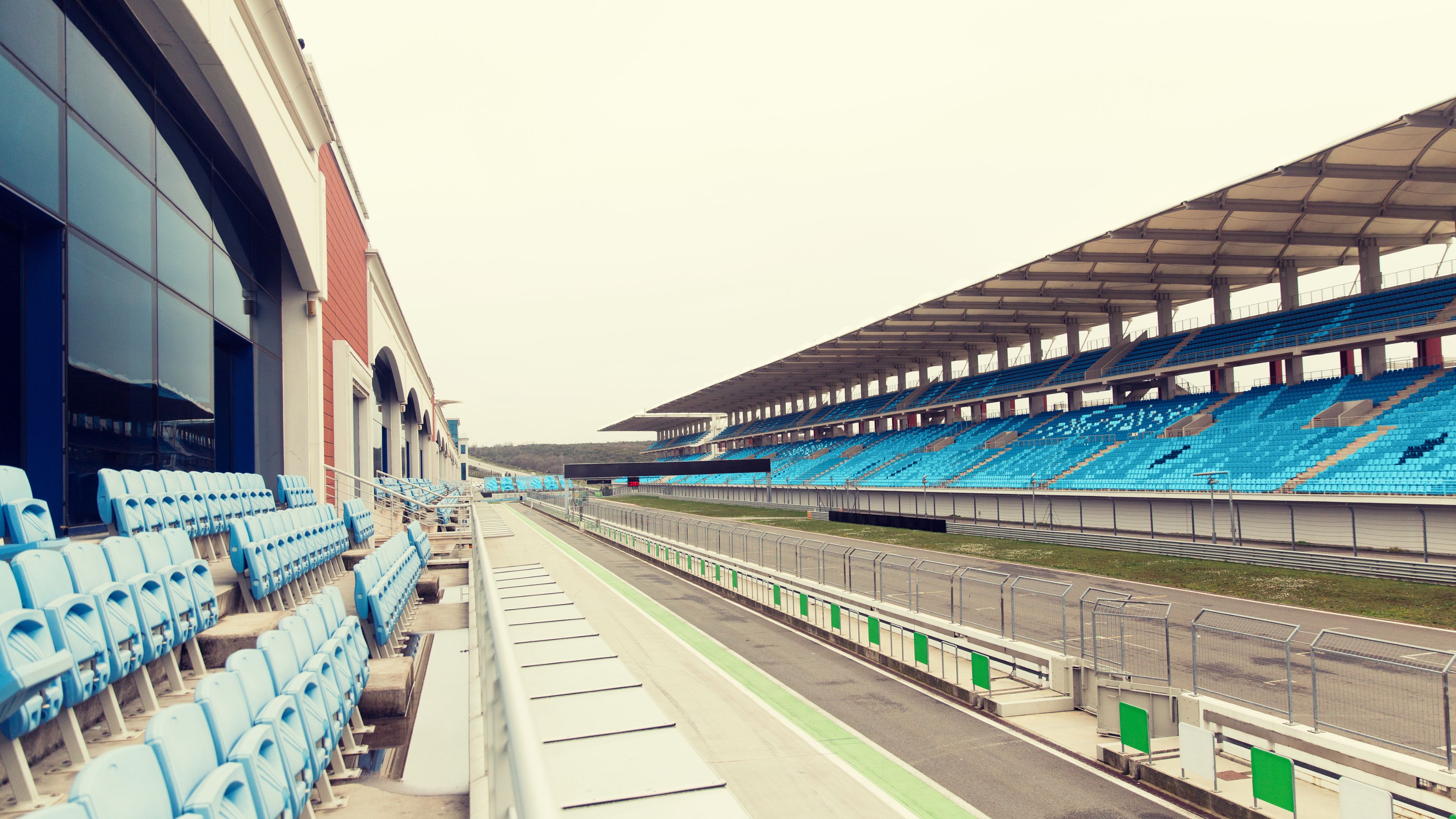
Read on to discover what a full weekend’s action in the WEC looks like, and how a winner is determined from the paddock teeming with Hypercars, LMP2 and LMGTE machines.
What is the World Endurance Championship?
Governed by the official world body of motorsport, the FIA, the World Endurance Championship is a 7-race series of endurance racing that covers circuits around the globe. Featuring several car classes, thousands of miles raced and the chance to reign supreme at the end of it all, there are few more prestigious motorsport accolades.
How is a World Endurance Championship race weekend structured?
Race length
A typical WEC race weekend is structured around one main race, which usually takes place on the Sunday. The formats for each main race in the calendar are as follows:
- Sebring (USA) 1,000 miles (typically around 8 hours of racing)
- Portimão (Portugal) 6 hours
- Spa-Francorchamps (Belgium) 6 hours
- Le Mans (France) 24 hours
- Monza (Italy) 6 hours
- Fuji (Japan) 6 hours
- Bahrain (Bahrain) 8 hours
Friday: Free practice
Each race weekend begins with three rounds of free practice. Free practice allows drivers to get to grips with the track and conditions and hone elements of their performance that are vital to fast lap times, like braking points and apexes. It also gives teams a chance to refine the car set-up, using driver feedback and telemetry data to tweak various aspects of the vehicle’s configuration. This could be suspension settings, brake biases or aerodynamics. Tire choice will also be taken into account.
In free practice, all car classes can be on the track at once.
Saturday: Qualifying
Qualifying takes place over several sessions to determine the grid positions for each car class. Taking 15 minutes per session, each one is dedicated to either Hypercar, LMP2 or GTE-Am. The fastest lap time from each car’s fastest driver determines grid positions for the race. In previous seasons, qualifying was split two ways (one session for prototypes and one for GT), and positions were decided by an aggregate of two drivers per car over several lap times.
During qualifying, each different car class takes to the track at separate dedicated times.
Sunday: Race
On race day, teams are given a short warm-up session to prepare the cars before the long haul begins. Then it’s lights out, and off we go. Across the duration of the race, teams must strategically manage everything from fuel usage and tire wear to pit stops, driver changes and repairs. Racing is where the WEC teams and drivers look to execute their strategies, manage the car and predict the unpredictable.
How is a Le Mans race weekend different?
However, in the 24 hours of Le Mans, things work a little differently. Because of the sheer duration of the race, teams are given a more spaced out preparation time. Free practice and qualifying at Le Mans starts midweek, two days earlier than a normal race weekend. Friday is then held as a rest day, in which other parades and events take place. Finally, the race begins in the afternoon of Saturday, lasting well into Sunday.
During the race, teams of drivers take turns, with each driver typically driving for several hours at a time before swapping with another. Throughout the weekend, there is also a variety of support races and events, including autograph sessions, concerts, and other entertainment. The race weekend culminates with the podium ceremony on Sunday evening, where the top finishers in each class are recognized and celebrated. Overall, the Le Mans race weekend is a major event in the world of motorsports, attracting fans and competitors from around the world and providing an exciting and unforgettable experience for all involved.
While a race weekend in the World Endurance Championship can often come down to the last few corners of the final lap, the build-up can often be as engrossing as the main event. If you’re visiting one of the WEC tracks, like Circuit de La Sarthe, Spa-Francorchamps or Monza, you might be able to see a different side of the sport by taking in a practice session or two. Alternatively, aim to catch all-out flying laps in qualifying where drivers put everything on the line for a chance to top the grid come Sunday.
