


03/14/2023 • 10 min
Chicago driving guide
Explore the great city of Chicago and all it has to offer. Our driving guide provides tips for Chicago toll roads, finding parking and avoiding congestion.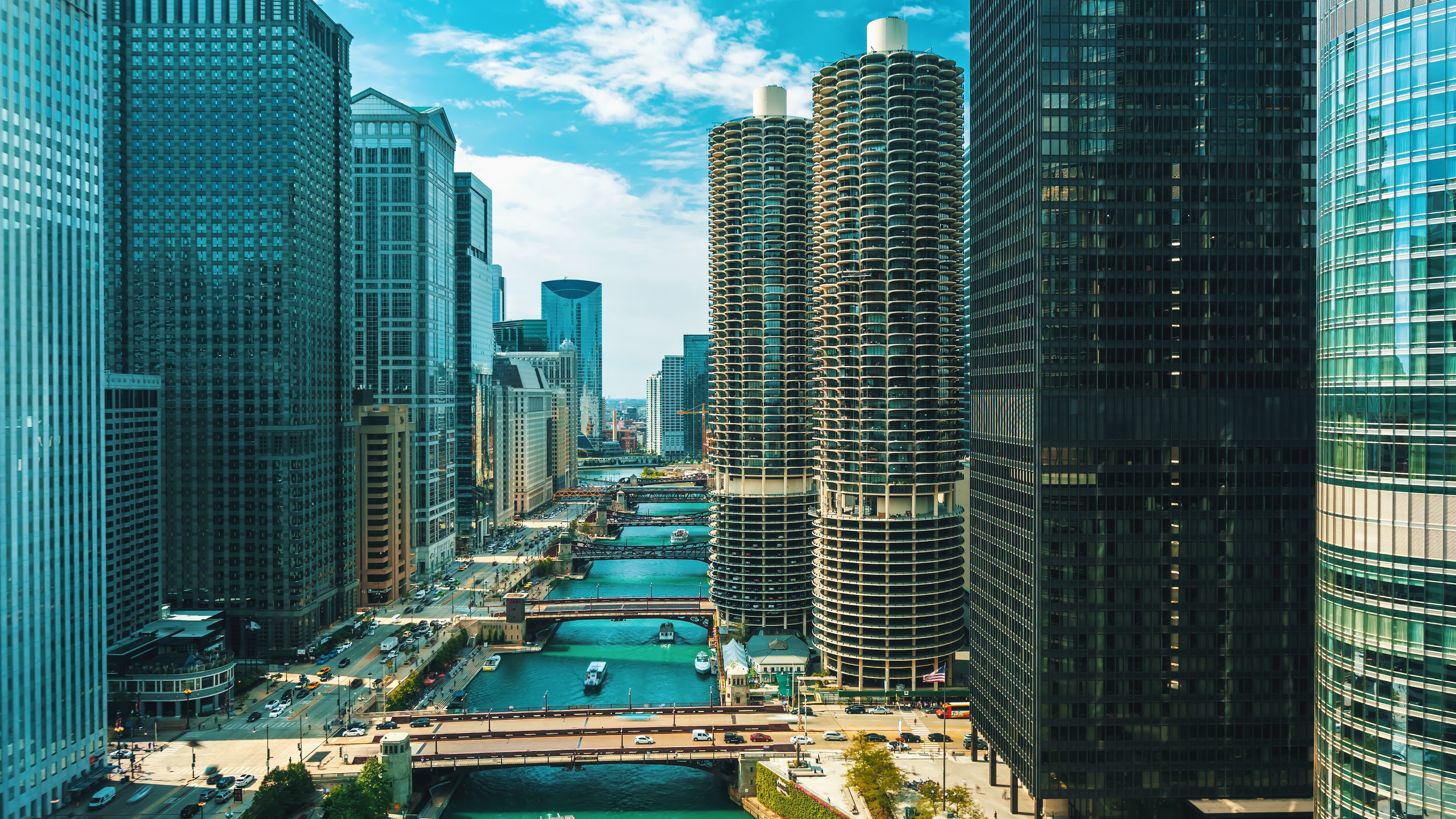
Chicago is known for its thriving culture, serving up iconic food – deep dish pizza, anyone? – an impressive skyline and plenty of opportunities to watch some sport. The city is home to the Bulls, Cubs, Blackhawks, White Sox and Bears, after all.
As the third-largest city in the US, Chicago is full of things to see and do. Luckily, having a car to get around can make exploring the suburbs and Lake Michigan shoreline that little bit easier. But how do you prepare to navigate the streets, toll roads and bridges that run in and around Chicago?
Check out our tips and tricks to get to grips with driving in the Windy City. Learn everything from speed limits to the busiest times of day, so you know what to expect when you arrive in Chicago.
Size of Chicago in square miles | Total length of roads (in miles) | Longest road |
235 sq mi | Western Avenue |
In this guide:
- Driving rules in Chicago
- Speed limits in Chicago
- Toll roads in and around Chicago
- Chicago’s driving license requirements
- Parking in Chicago
- Electric car charging in Chicago
- Quick driving tips for Chicago
- Frequently asked questions
Driving rules in Chicago
- At four-way stops, the first vehicle to stop has the right of way, but if multiple vehicles stop simultaneously, the vehicle on the right has the right of way.
- Chicago has installed protected bike lanes, which cars and large vehicles are not allowed to drive down these.
- According to the Illinois Vehicle Code, headlights must be switched on when you can’t see what’s ahead at a minimum distance of 1,000 feet.
- Cell phone usage is prohibited when driving in Chicago.
Speed limits in Chicago
Speed limits in Chicago can vary by the road type, as well as the vehicle you have. Here’s a detailed breakdown of the speed limits you should follow when driving in and around the city.
| Cars | Trucks |
Residential roads | 30 mph | 30 mph |
Urban highways | 65 mph | 65 mph |
Rural highways | 70 mph | 70 mph |
School zones | 20 mph | 20 mph |
Business districts | 30 mph | 30 mph |
Toll roads in and around Chicago
There are several Chicago toll roads that you may have to cross when entering or exiting the city. Most of these fall under the Illinois Tollway authority that runs throughout Illinois. Watch out for these and check you have the means to make the required payment.
Chicago Skyway
The Chicago Skyway is a toll road that stretches 7.8 miles from Indiana Toll Road to the Dan Ryan Expressway, connecting Chicago to Whiting in Indiana[DS(S2] .
From: Chicago, Dan Ryan Expressway
To: Indiana Toll Road (I-90), 105th, 92nd Street Exit
Cost for car: $6.60
Cost for truck: $16.50 for three-axle truck during off-peak hours or $23.10 at peak times. Additional axles cost more.
How to pay: Cash, I-Pass or E-ZPass
Ronald Reagan Memorial Tollway
You’ll find the Ronald Reagan Memorial Tollway on the I-88, overlapping with the Chicago-Kansas City Expressway toll road just outside Chicago.
From: Eisenhower Expressway (I-290), Chicago
To: Dixon, Aurora, Naperville and Dekalb
Cost for car: $5.10 with I-Pass or $10.20 without.
Cost for truck: $18.70 to $49.50 in the day, or between $12.50 and $37.20 at night – based on number of axles.
How to pay: I-Pass, E-ZPass or online payment.
Veterans Memorial Tollway
The Veterans Memorial Tollway, or I-355, is a 32-mile toll road that runs north to south through Chicago's western suburbs. It offers access to Lisle, Addison, Woodridge, Bolingbrook, Lombard and Lockport.
From: I-290 Eisenhower Expressway
To: I-80
Cost for car: $3.20 with I-Pass or $7.60 without.
Cost for truck: $11.00 to $29.35 in the day, or between $7.35 and $22.00 at night – based on number of axles.
How to pay: I-Pass, E-ZPass or online payment.
Jane Addams Memorial Tollway
The Jane Addams Memorial Tollway, which crosses both I-90 and I-290, connects the Rockford Metropolitan Area to Chicago. You can take this route to get from Rockford to O'Hare International Airport or head north from Chicago towards Wisconsin.
From: Chicago Metro Area
To: South Beloit
Cost for car: $3.95 with I-Pass or $7.90 without.
Cost for truck: $14.50 to $38.50 in the day, or between $9.65 and $28.85 at night – based on number of axles.
How to pay: I-Pass, E-ZPass or online payment.
Tri-state Tollway
Built in the late 1950s, the Tri-State Tollway can be used by drivers to bypass Chicago on their way to Wisconsin, Indiana or elsewhere in Illinois. You can also gain access to all Chicago interstates via the toll road, except for the I-35.
From: Wisconsin State Line (IL 1)
To: South Holland (IL 137)
Cost for car: $4.40 with I-Pass or $8.80 without.
Cost for truck: $16.20 to $43.15 in the day, or between $10.90 and $32.35 at night – based on number of axles.
How to pay: I-Pass, E-ZPass or online payment.
Chicago’s driving license requirements
You’ll need a valid US driver’s license to be able to drive in Chicago. While Illinois does not recognize the International Driver’s License, you can use one your license from another state or country for up to 90 days.
If you’re looking to a rent a car in Chicago with Hertz, you’ll need to be at least 20 years old and have held a valid driver’s license for more than one year.
Check out our Illinois driving guide[VR(S4] for more details about license requirements in the wider state.
Parking in Chicago
If you’re looking for a parking spot in Chicago, you can take your pick from some of the convenient lots below.
Grant Park South
Located in the center of the Chicago Loop, this indoor parking garage is great for visiting downtown Chicago as well as the Chicago harbor or beautiful Grant Park. Take your pick from more than 1,350 spaces, including 16 EV chargers.
Location: 325 South Michigan Avenue, Chicago, IL 60604
Cost: Up to $43.00 for 24 hours – though you can get a discount if you pre-pay online.
How to pay: Online or pay in-person using cash or card.
Lincoln Common
Located directly opposite the Lincoln Common shopping mall, this self-park garage offers convenient access to Lincoln Park and North Avenue Beach. It’s open 24/7 too, perfect for overnight parking.
Location: 2335 North Lincoln Avenue, Chicago, IL 60614
Cost: Up to $26.00 for 24 hours – first 90 minutes are free with in-store validation.
How to pay: All major cards are accepted here. Cash is not accepted.
Elm Street Plaza
Located in the Gold Coast area, this parking plaza is a great spot if you’re planning a visit to Chicago Zoo, Oak Street Beach or exploring the Chicago History Museum.
Location: 63 West Elm, Chicago, IL 60610
Cost: Up to $35.00 for 24 hours
How to pay: Card or cash.
Street parking in Chicago
With over 36,000 metered spots, there’s tons of street parking in Chicago across all major residential, business and shopping districts. Prices vary from $2.00 to $6.50 an hour, depending on the street. So, take the time to read all the relevant road signs to check for pricing and restrictions.
Between 4pm and 6pm, you should also watch out for the rush hour parking zone bans on high-traffic streets. It’s a good idea to relocate your car by 3:50pm on weekdays to be safe in these locations.
Chicago parking app
You can use the ParkChicago app to find parking locations across the city. The Chicago parking app also offers payment rates and guidelines for street parking via pay boxes, as well as mobile payment through the app itself.
You can also access your parking history and extend parking times using the app – handy if you can’t tear yourself away from the museum or fancy another hour at the beach.
Electric car charging in Chicago
Chicago is home to more than 600 public EV charging stations, including both Level 2 (240-volt) and DC quick charge terminals. At least 50% of the charging ports in the city are free to use, so you can be up and running in your electric rental vehicle in no time.
Here are some of the parking garages in Chicago with EV charging available:
- Grant Park South
- Grant Park North
- Millennium Park
- Millennium Lakeside
- Soldier Field Garage
- Washington-Franklin Self-Park Garage.
Quick driving tips for Chicago
Here are five simple tips you can follow to have a better driving experience in Chicago.
- With the highly complex network of streets and highways, it's a good idea to plan your journey in advance and carry a GPS with you to avoid getting lost.
- Cyclists and general pedestrian traffic is quite high in the city, so you should always be cautious when near crosswalks, bike lanes and pedestrian areas.
- Chicago winters are quite harsh and can degrade the roads a lot. If you’re driving at this time of year, it's a good idea to be on the lookout for potholes.
- Check whether there are any events or matches on in the city before you drive. That way, you can plan for extra traffic around popular locations like Wrigley Field or the United Center.
- Finally, patience is key. Chicago is a huge city, so traffic is to be expected – especially at rush hour times between 6am and 8am, and 4pm until 6pm. Take care, stay aware and follow the rules of the road.
Frequently asked questions
What is the best time of day to drive in Chicago?
The best time to drive in Chicago depends upon your preferences and what you want to do. Weekend mornings are usually when traffic is at its lightest, so you may want to start your day early on the weekend. You may also wish to avoid rush hour in the mornings and early evenings on weekdays.
Is it difficult to drive in Chicago?
While there can be a lot of traffic in Chicago, as long as you follow the general rules of the road and plan out your journey before you set off, you'll find that Chicago is pretty easy to navigate. Most of the streets follow a grid layout, from north to south and east to west, so it’s usually quite simple to get to where you want to go.
When is rush hour in Chicago?
Rush hour in Chicago is generally between 6am and 8am on weekday mornings, then again from 4pm to 6pm. The traffic usually peaks on Thursday and Friday afternoons, especially.
How much is a speeding ticket in Chicago?
The fine for going over the speed limit in Chicago by 6-10mph is $35. If the car's speed exceeds the speed limit by 11 miles per hour or more, the fine is usually around $100.
Now that you know how to navigate your way through Chicago, it’s time to start packing for a cultural adventure in the Windy City. For more tips, check out our Illinois driving guide so you can extend your stay and travel the whole state!
Get ready for your trip to Chicago
Related Articles

5 Hollywood Inspired Romantic Getaways
Away from the stress of daily routines and interruptions, true love blooms. Romantic getaways allow couples to rekindle their passion in beautiful settings, and silver screen rom coms provide plenty of inspiration for choosing picture-perfect, romantic backdrops. Consider these five dream-worthy locations:
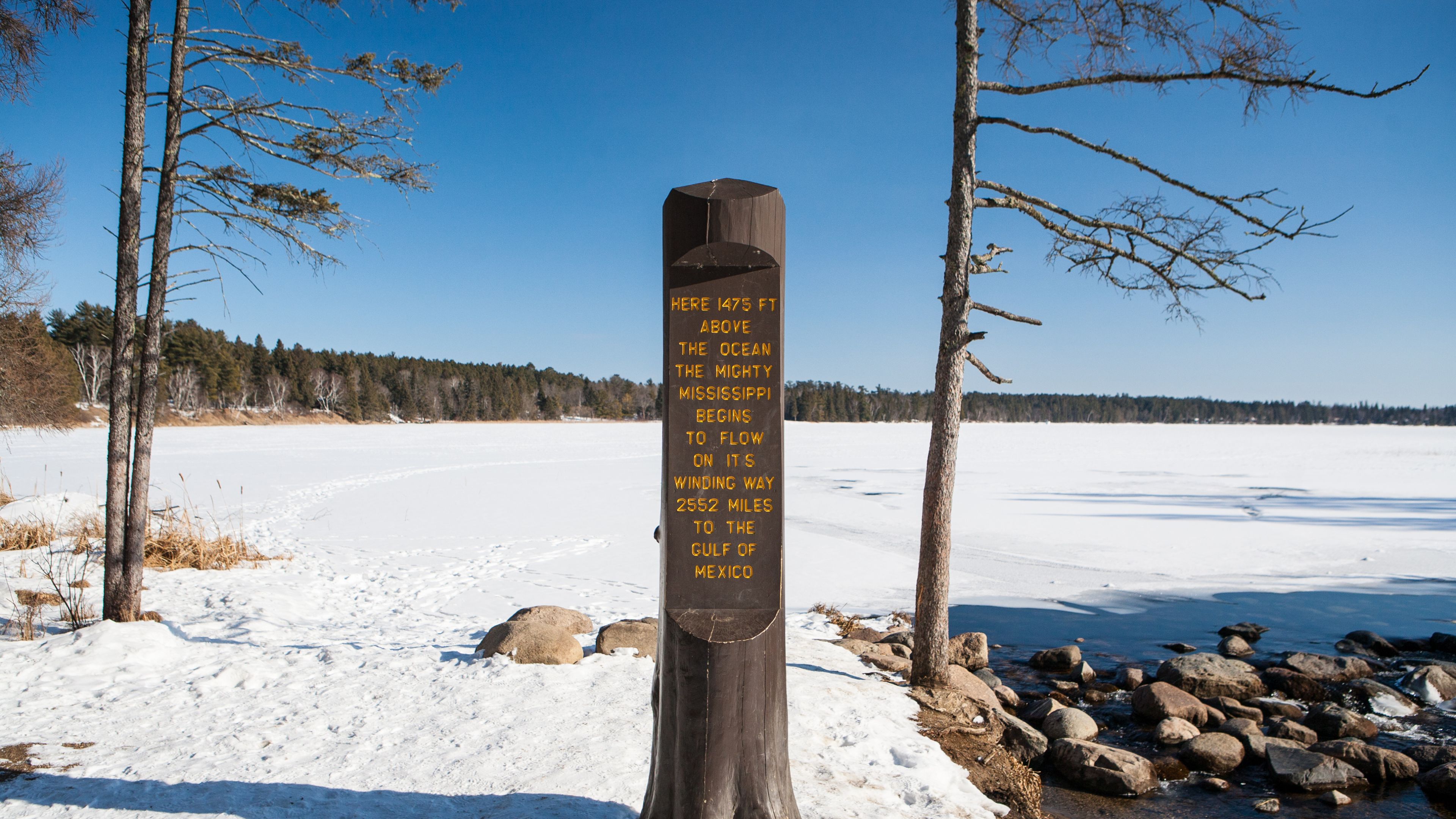
Top Stops Along the River Road Route
From Minnesota to the Gulf of Mexico, the Great River Road stretches for 3,000 miles of amazing scenery and history. Plan your road trip with Hertz.

Nature Up Close: Discover the Wonders of Niagara Falls
On October 24, 1901, Annie Edson Taylor became the first person to survive riding Niagara Falls in a barrel. For most people, just standing nearby the 165-foot drop and witnessing the mighty rushing water is more than enough excitement. Straddling the U.S. and Canadian borders, Niagara Falls draws roughly 30 million people each year with its awe-inspiring scenery. If you're planning to discover this amazing natural wonder, then consider these tips and must-see activities to get the most out of your Niagara Falls getaway.
